
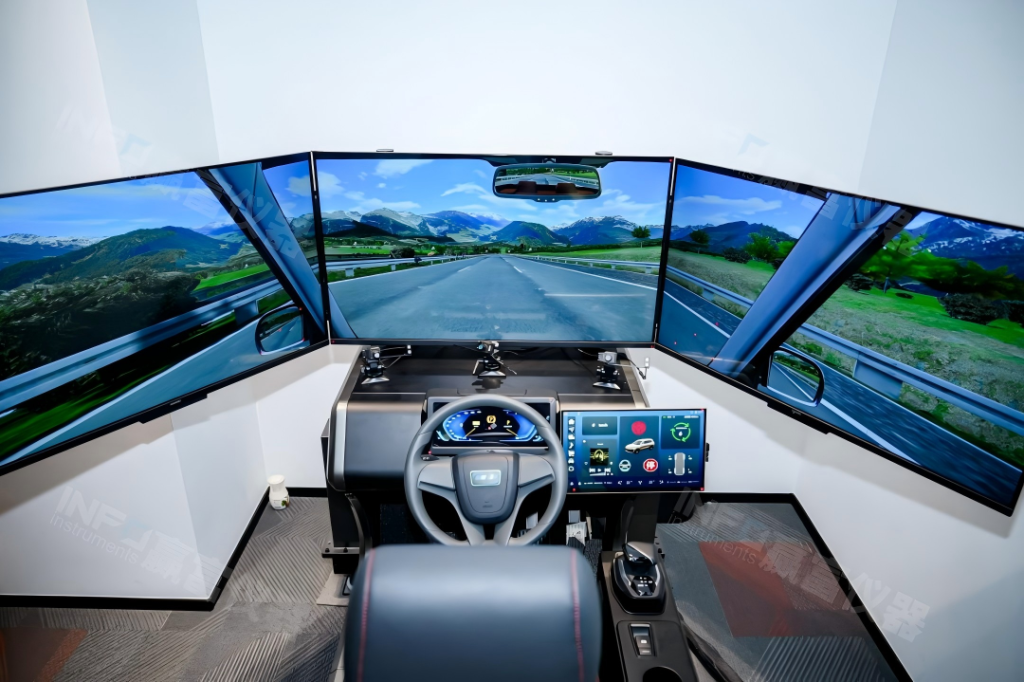
In the current era of rapid evolution in intelligent connected vehicles and autonomous driving technology, driver state monitoring, takeover performance evaluation, and HMI interaction design under human-machine co-driving modes have become core research topics for industry R&D and validation.
Against this background, the School of Automobile at Chang’an University in China set out to build a human factors data acquisition and analysis experimental platform for drivers in human-machine co-driving scenarios.
INFO provided full-process technical support for this platform—ranging from solution design, device installation and commissioning, to user training—helping to build a high-level research platform that integrates driving simulation, human factors data acquisition, and collaborative analysis.
Laboratory Introduction
The Transportation Engineering Laboratory of the School of Automobile at Chang’an University is a teaching-and-research-oriented laboratory serving majors such as Automotive Service Engineering, Intelligent Vehicle Engineering, and Traffic and Transportation Engineering.
It mainly undertakes undergraduate and graduate course experiments such as Automotive Human Factors Engineering, Innovative Practice in Transportation Safety, and Driving Behavior Testing and Analysis. It also supports master’s and doctoral thesis experiments as well as related scientific research tasks.
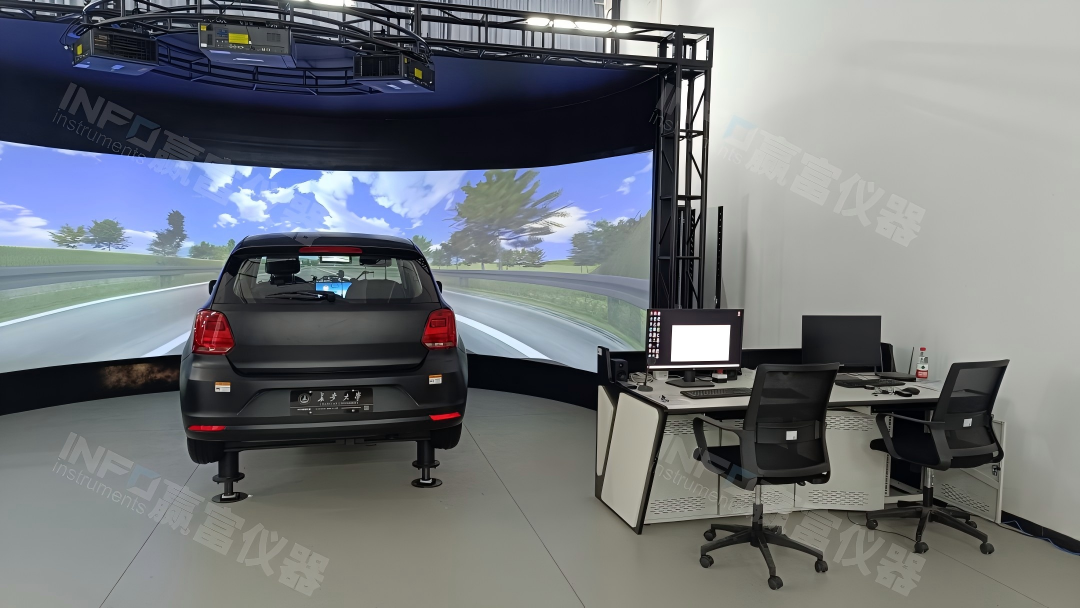
The Laboratory is currently equipped with a 3-DOF driving simulator, a compact driving simulator, a pedestrian simulator, driving simulation software, multi-vehicle cooperative driving function modules, HMI design function modules, wireless physiological data acquisition and analysis devices, and the Human Research Tool (HRT) software for automotive test data acquisition and analysis, enabling high-fidelity driving simulation capabilities.
The laboratory system synchronously acquires and outputs in real time traffic environment perception data, vehicle operational state data, driver operation data, and pedestrian dynamic data, providing an excellent virtual simulation experimental platform closely approximating real road conditions for human-machine co-driving research.
Laboratory Devices
01 3-DOF Driving Simulator
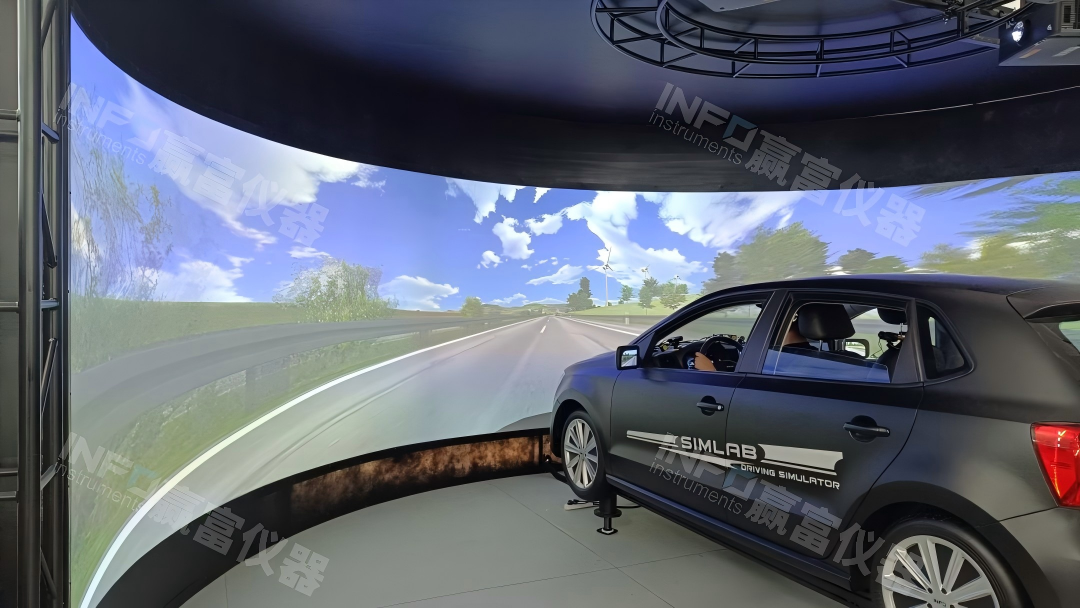
The laboratory is equipped with a real-vehicle driving simulator cabin, a visual simulation system, and a motion platform. It features high-frequency response, vehicle driving dynamics simulation, control and data interface functions, and communication integration functions.
It can accurately reproduce the physical sensation of real roads and supports the simulation of dynamic states and motions such as vehicle pitch, roll, vibration, engine micro-vibration, and cornering centrifugal force.
It is widely used in driving dynamics simulation, vehicle handling experience, and research on driver stress response and fatigue characteristics under dynamic conditions, providing the laboratory with a dynamic testing environment close to a real vehicle.
Technical Highlights
🔹 Conducting simulated dynamic driving tests in the laboratory reduces costs and improves efficiency while lowering safety risks.
🔹 Integrated with a steering force feedback system to provide a steering feel close to real-road driving.
🔹 Equipped with a motion platform to provide drivers with a more realistic physical sensation and higher immersion.
02 Compact Driving Simulator
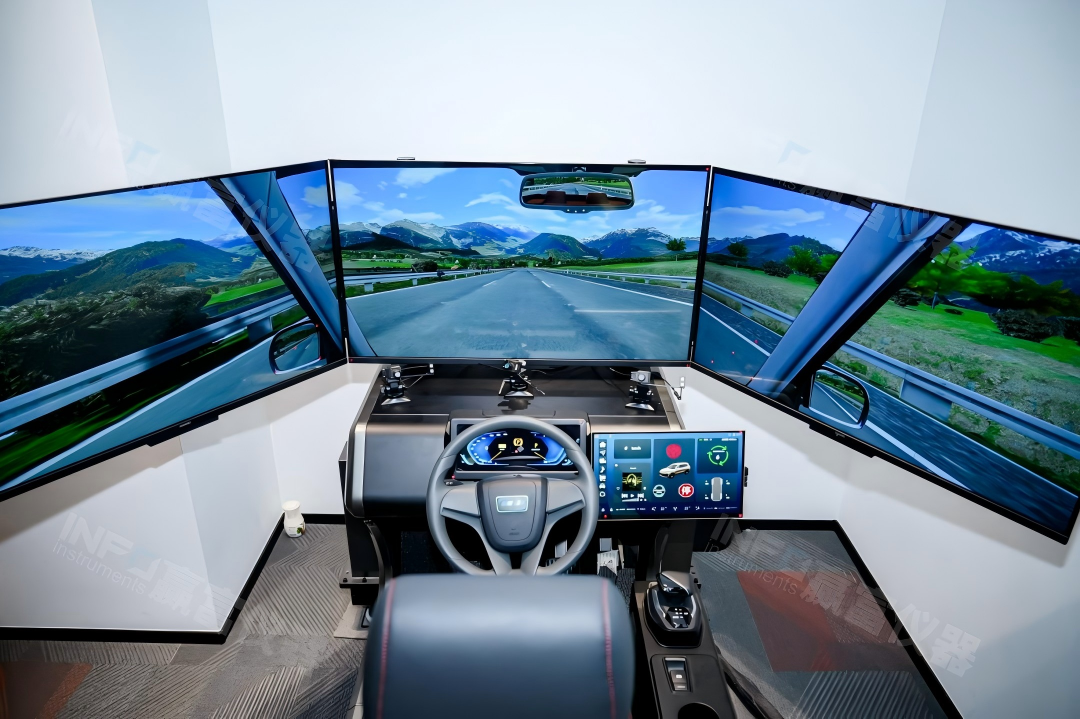
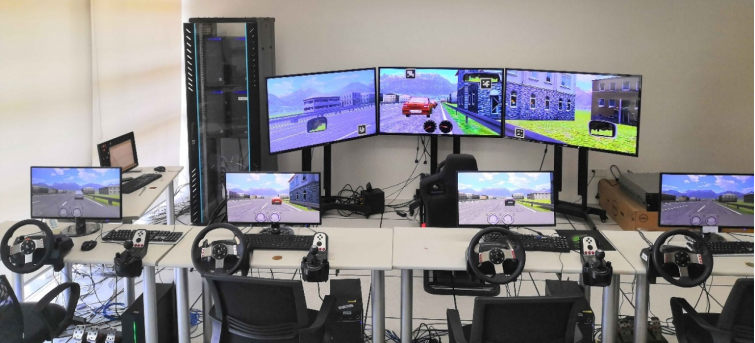
The laboratory is equipped with a compact driving simulator, which adopts high-performance driving simulation accessories and a virtual rearview mirror solution. It is equipped with a central control screen and a triple-screen visual simulation system to build a highly immersive virtual driving environment.
With the advantages of a small footprint and low space requirements, this simulator provides users with a cost-effective driving simulation and interaction testing platform.
It can effectively support teaching and research work such as driving suitability testing, traffic safety research, and human-computer interaction validation.
03 Driving Simulation & Functional Software
The laboratory is equipped with SILAB driving simulation software, the Multi Driver Simulation multi-vehicle cooperative driving function module, and the Extension package MMI human-machine interaction design function module.
It features powerful simulation control and scenario editing functions. It is applied in traffic engineering scheme evaluation, intelligent connected vehicle testing, multi-vehicle interactive driving, and HMI usability validation, providing a highly flexible platform for virtual scenario construction.
▪️Simulation Applications
Equipped with visual simulation, traffic simulation, dynamics simulation, sound simulation, HMI simulation, and pedestrian simulation functions, it is capable of creating a virtual traffic environment that closely mimics real-world traffic conditions to the maximum extent.
▪️Data Management
Features road network construction, scenario management, domestic and international model assets, event simulation, data storage, and external communication functions.
It supports real-time interoperability of multi-source data and rapid reproduction of scenarios, ensuring efficient collaboration throughout the experimental workflow.
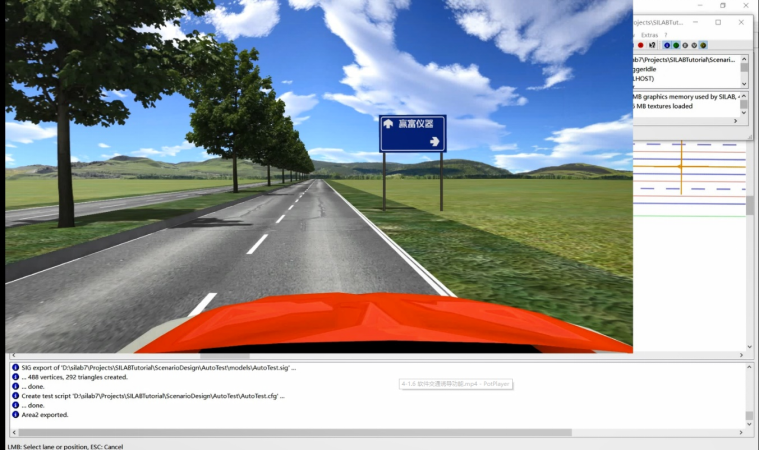
SILAB Driving Simulation Software
This version features data acquisition and transmission functions, Chinese scenario assets, Chinese traffic guidance creation functions, and route error correction functions, etc.
Multi Driver Simulation Module (Multi-Vehicle Cooperative Driving)
It can operate in conjunction with the existing SILAB system, allowing multiple simulated driving vehicles to interactively drive in the same traffic scenario. It features driving simulation functions, vehicle dynamic model functions, and dynamic traffic scenario trigger functions.
Extension Package MMI Design Module
Human-machine interaction design functions, including interaction modalities such as visual channels, auditory channels, and tactile channels.
04 PhysioLAB Wireless Physiological Data Acquisition and Analysis Device
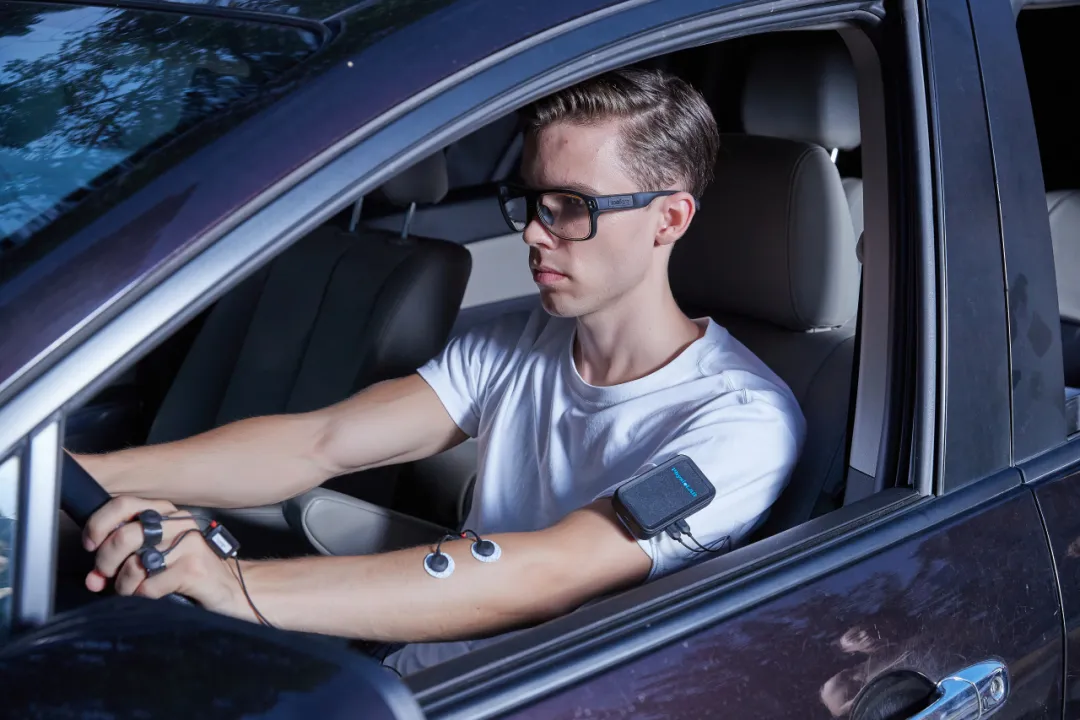
The PhysioLAB wireless physiological data acquisition and analysis device features advanced analysis capabilities, including the acquisition and analysis of heart rate variability (HRV), electromyography (EMG), and electrodermal activity (EDA).
It supports third-party synchronization and enables synchronized data acquisition from devices such as physiological sensors, eye trackers, EEG, and facial expression analysis systems during driving behavior analysis.

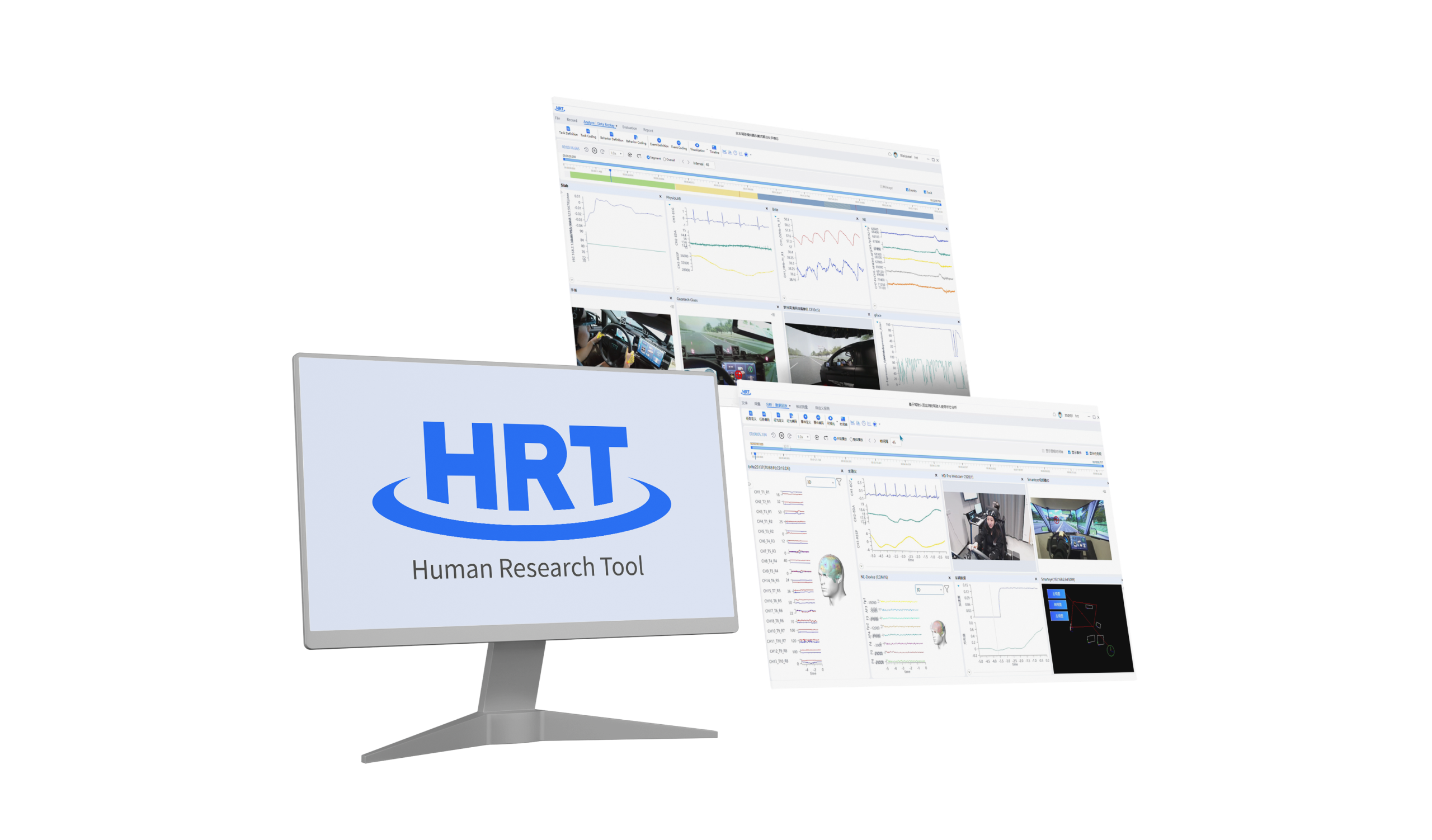
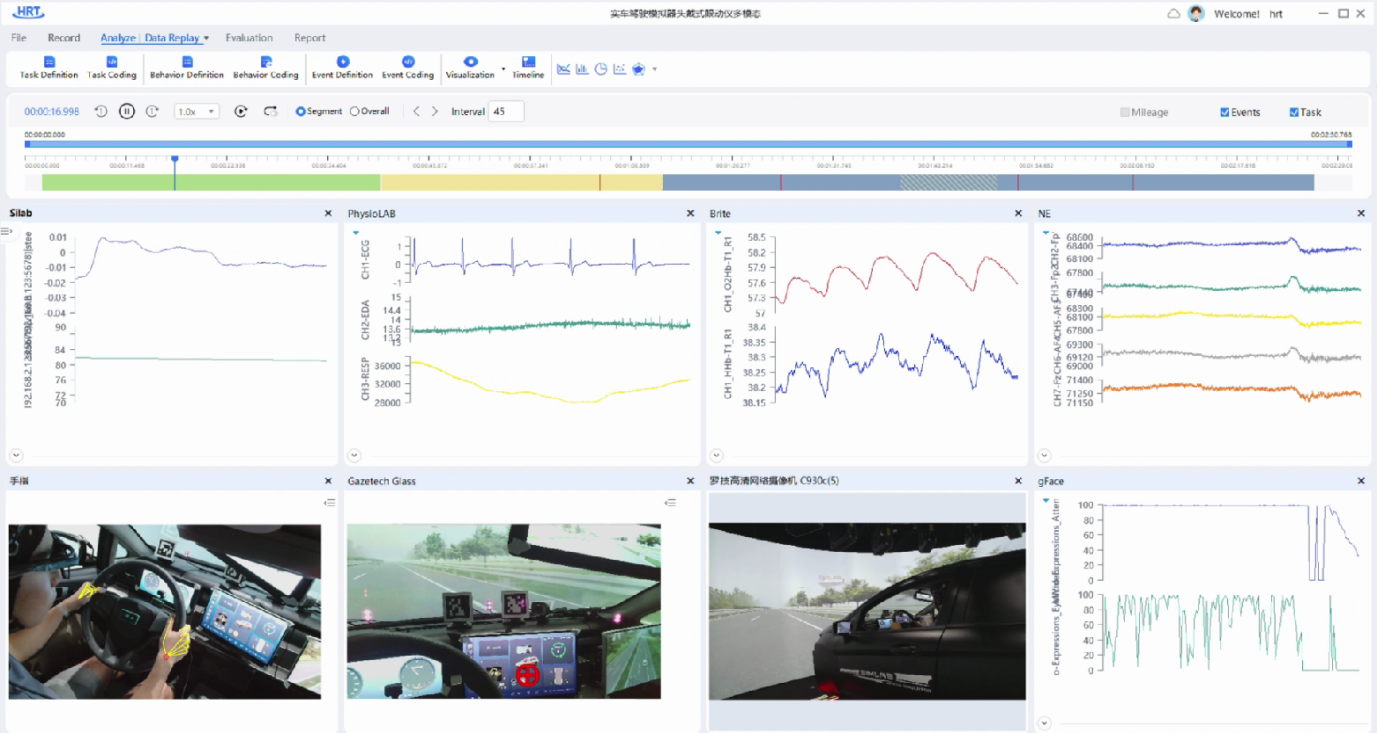
05 Automotive Test Data Acquisition and Analysis Software: Human Research Tool (HRT)
HRT software can synchronously acquire and analyze driver data such as physiological signals, eye tracking, EEG, video, and vehicle motion status.
By integrating these into a unified platform, it achieves deep fusion and collaborative analysis of multi-dimensional “human-vehicle-road-environment” data.
Core Advantages of the HRT Platform:
▪️Data Acquisition and Analysis
Supports the integration and synchronization of vehicle data, driver data, and road data, building a one-stop collaborative analysis of “human-vehicle-road-environment” data.
▪️Multidimensional Driver Human Factors Insights
Deeply integrates cutting-edge acquisition devices such as EEG, eye tracking, physiological sensors, EMG, motion capture, and seat pressure to precisely quantify driving states and ergonomic workload.
In the future, INFO team will continue to collaborate with more industry and research partners to carry out teaching and research cooperation in the field of “human-vehicle-road-environment” system safety research, including driving suitability testing, driver eye-tracking characteristic analysis, driving behavior evaluation, traffic psychology, and traffic accident analysis and prevention.