HumanTech, a wholly-owned subsidiary of INFOTECH GROUP. Over the years, HumanTech has developed the HRT(Human Research Tool) platform. The HRT platform is widely used in research fields such as psychology, neuroscience, neuromarketing, human factors engineering, sports science, embodied intelligence, driving behavior, and consumer behavior.
HRT integrates experimental workflows, data acquisition, and analysis, while also supporting experiment design, multidimensional data analysis, and visual report output—making it a one-stop tool for human behavior research.
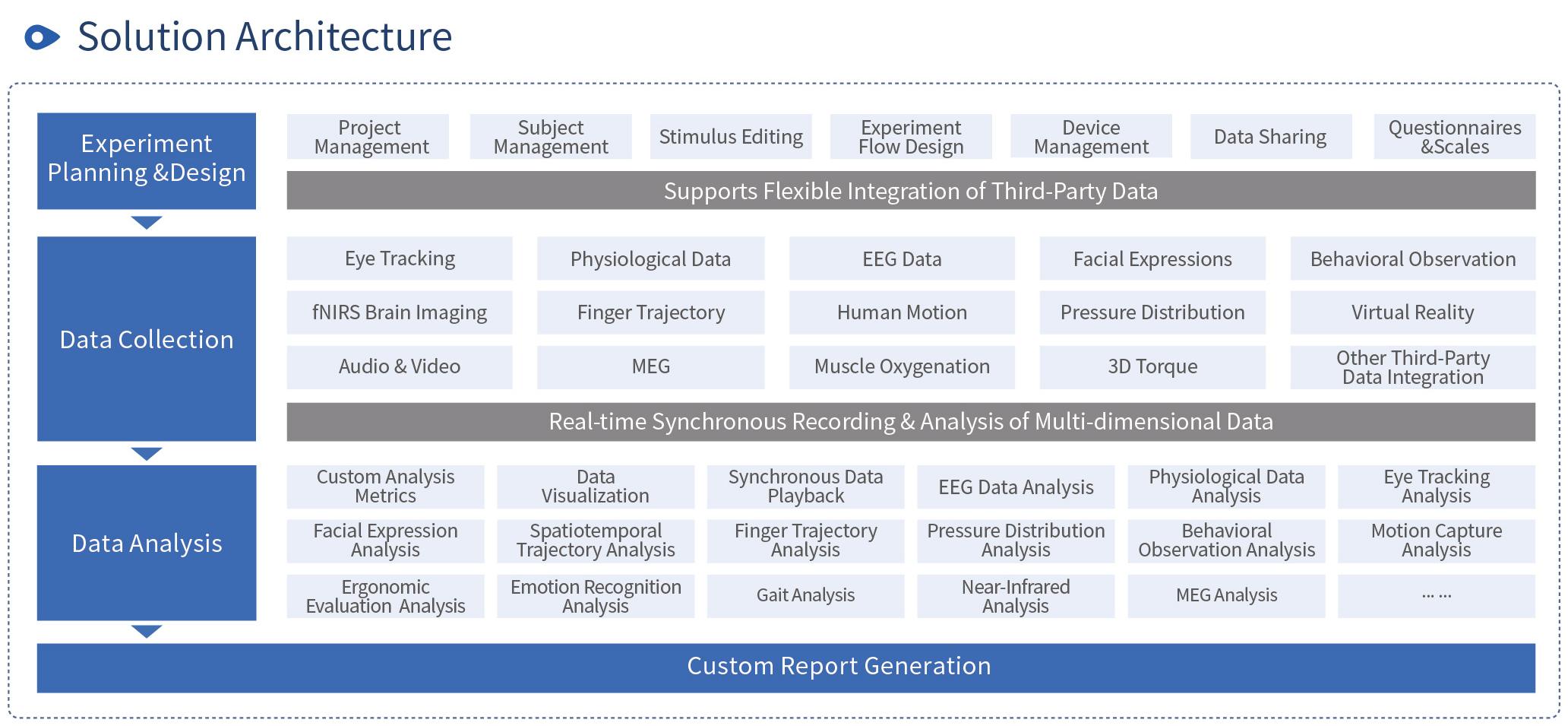
HRT connects the entire workflow of laboratory management, experiment design, multidimensional data drill-down, project management, multimodal data acquisition and analysis, integration of user-developed algorithms, output of results, and report generation.
It integrates cutting-edge technology into every specific research scenario, aiming to become your capable partner in researching human behavior!
To better meet experiment needs and enhance the user experience, the HRT 2.2 platform has undergone a comprehensive upgrade. The following highlight features have been added:
Expanded Device Compatibility
Function Update:
We continue to expand the library of system-compatible devices and have added integration for several mainstream sports science devices, enabling one-stop access at the acquisition end and eliminating the cumbersome operations of acquiring with multiple software programs separately and aligning data afterward.
The newly supported devices include:
1.Force plate series
2.Treadmill: h/p/cosmos
3.Muscle oxygenation device: Train.Red
4.NIRS device: NIRx
Application Scenario Example:
In experiments such as exercise physiology and biomechanics, a treadmill, force plate, muscle oxygenation device, and NIRS device can be connected simultaneously to synchronously acquire multidimensional data on exercise load, ground reaction forces, and muscle oxygen metabolism.
They can also be paired with motion capture devices to build a complete multimodal sports science experimental solution, suitable for sports performance assessment, physical fitness intervention, and exercise fatigue-related research.
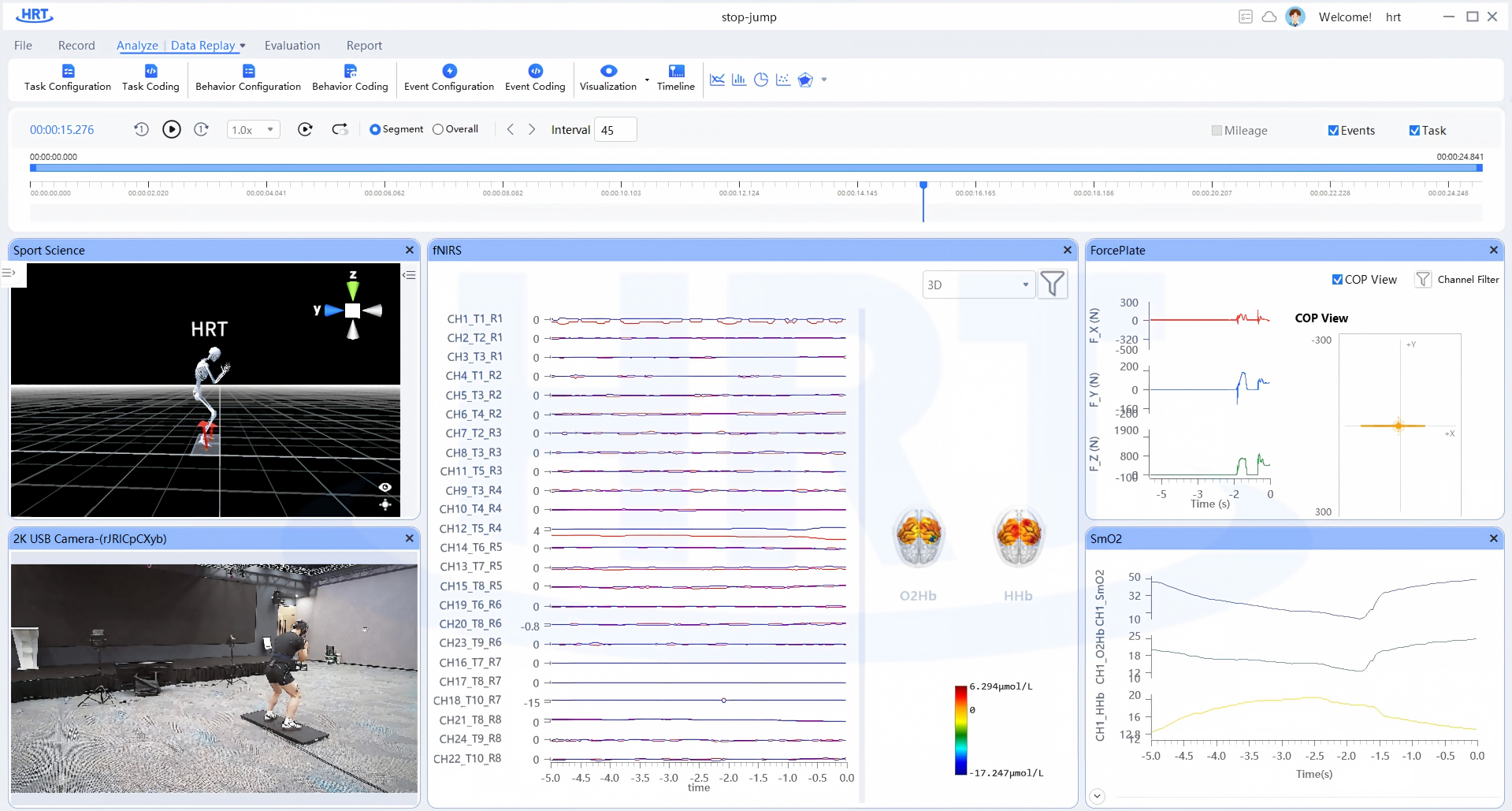
Sports Science Module
01 Visual Window: Overlay Visualization of Motion Capture and 3D Force Data
Function Update:
The sports science module now supports overlay visualization of motion capture and 3D force data. In the same visual window and under the same spatial coordinate system, the reconstructed skeletal motion capture model and the 3D force plate ground reaction force vectors are rendered synchronously, intuitively presenting the correspondence between the magnitude and direction of force and human skeletal movement.
Application Example:
In motion analysis and sports biomechanics experiments, researchers need to view kinematic and kinetic indicators simultaneously.
With this function, when replaying the experimental process, researchers can observe joint movement and changes in skeletal posture while intuitively seeing the vector changes of 3D ground reaction forces, quickly locating the force-generation characteristics of movements, and assisting in movement technique diagnosis and motion feature analysis.
02 Gait Analysis: Automatic Identification of Gait Cycle and Output of 3D Joint Moments
Function Update:
Based on the kinematic motion capture data of the subject’s walking process, the system automatically identifies gait phases and divides the complete gait cycle.
Combined with 3D force plate data, it automatically calculates 3D joint moments during walking and outputs key indicators such as gait cycle division results, spatiotemporal parameters, and joint moment sequences.
Application Example:
In scenarios such as clinical rehabilitation assessment, post-stroke or postoperative gait rehabilitation, fall risk assessment for the elderly, and evaluation of prosthetic wearing effects:
By importing motion capture and force data from walking experiments, the system automatically completes gait phase division and moment calculation, quickly obtaining core parameters such as walking speed, step length, stance/swing phase ratio, and 3D joint moments.
Facial Expression Module
Function Update:
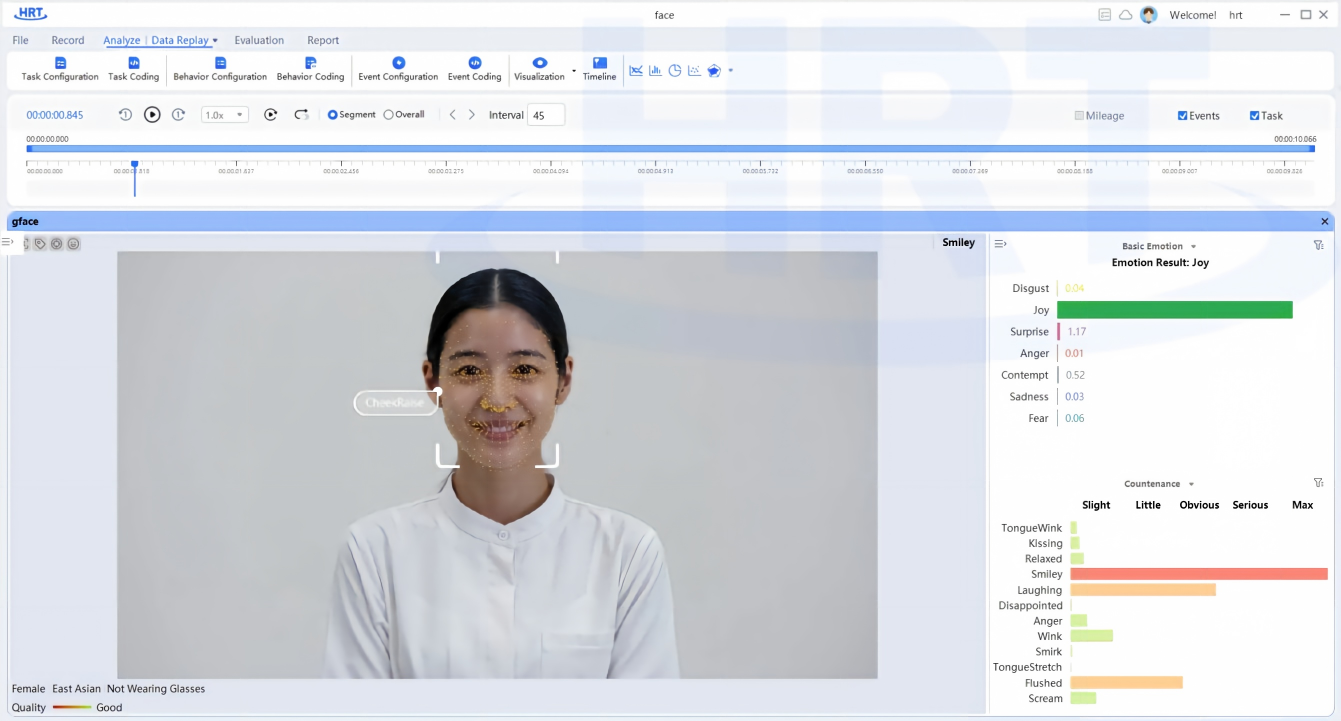
A large number of facial feature landmarks have been added, expanding the recognition coverage of facial action units, improving the recognition accuracy and stability of micro-expressions and subtle facial muscle movements. It enables the output of finer-grained facial action time-series data to meet the demand for high-precision facial behavior data in research such as emotion experiments, human-computer interaction, and social psychology.
Application Example:
In emotion induction experiments and human-computer interaction human factors experiments, the system can accurately capture subtle facial muscle changes in subjects and output standardized facial action unit time-series data without manual frame-by-frame annotation.
It can also be synchronized with neural signals to explore patterns of facial behavior changes under emotional responses and cognitive load.
NIRS Analysis Module
Function Update:
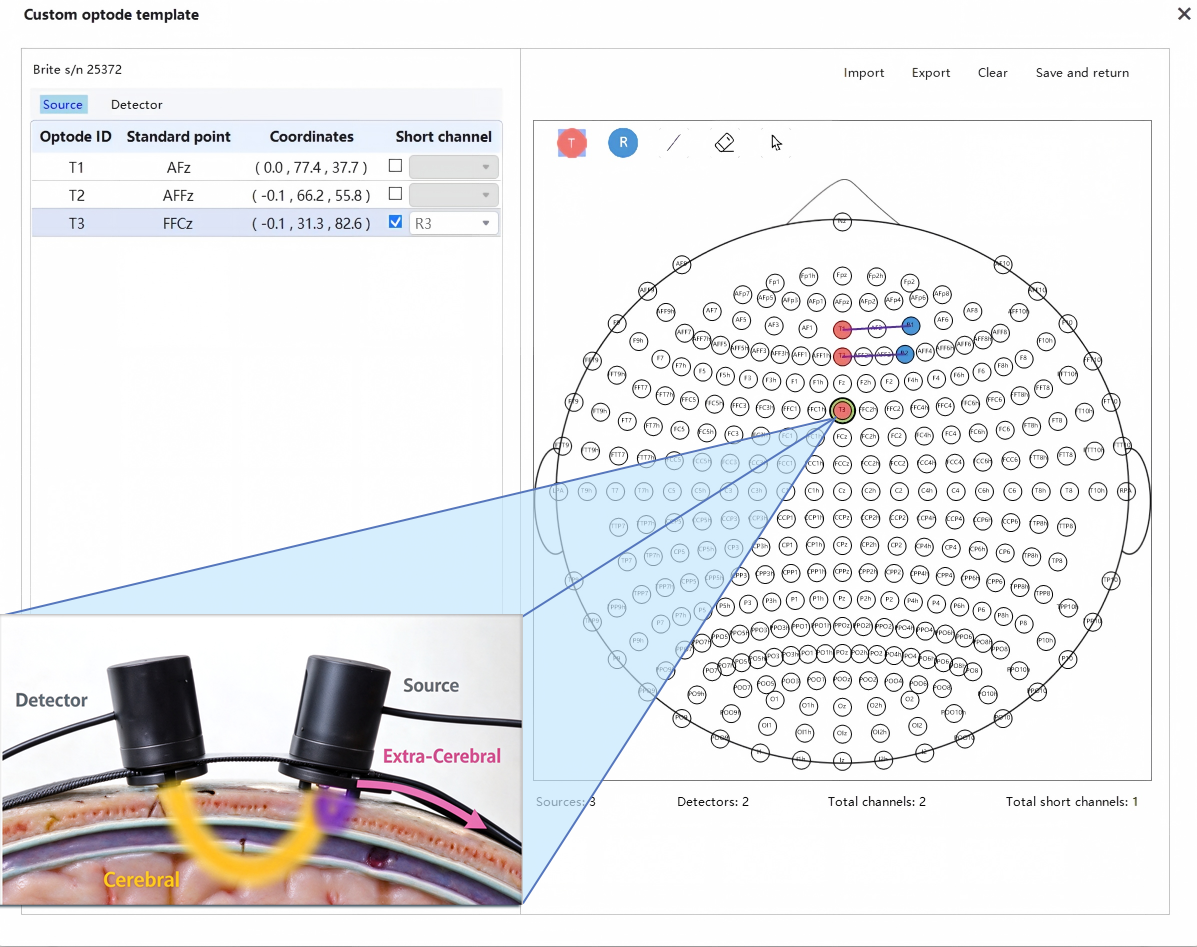
A short-channel configuration function has been added. Users can directly complete the layout, parameter setting, and template saving of short channels in the editor interface.
The analysis module supports short-channel regression, using shallow physiological signals such as those from the scalp measured by short channels to correct long-channel signals.
Application Example:
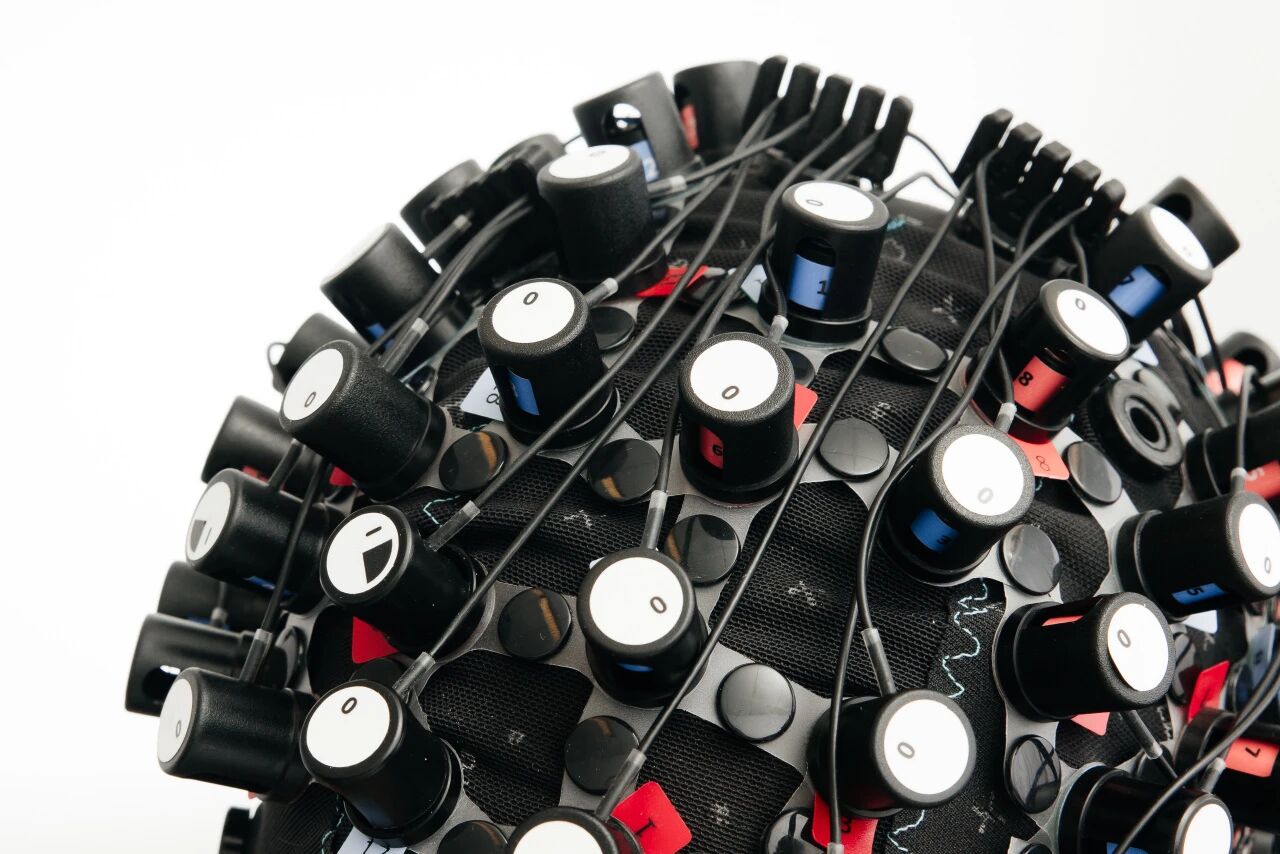
When using NIRS devices that include short channels, users can directly complete optode layout design and configure short channels within the system, and perform denoising processing based on short channels in the analysis module.
This is suitable for NIRS research with high noise correction requirements, such as brain cognition and hyperscanning.
MEG Module
Function Update:
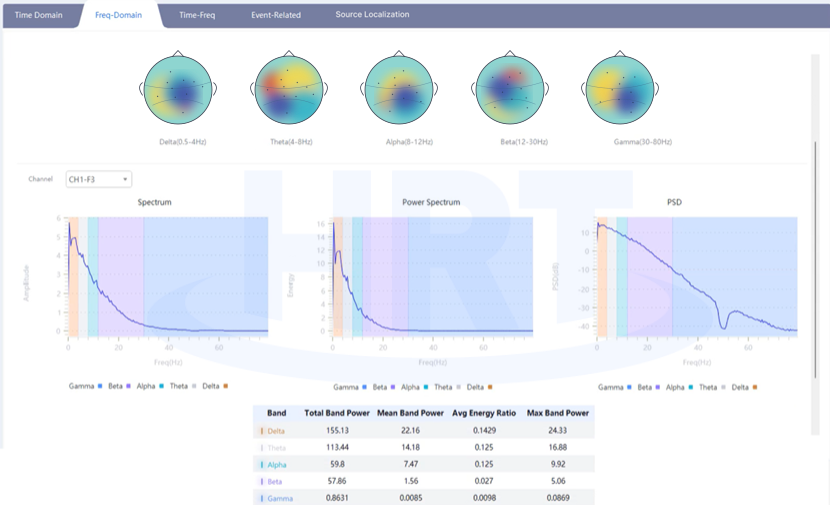
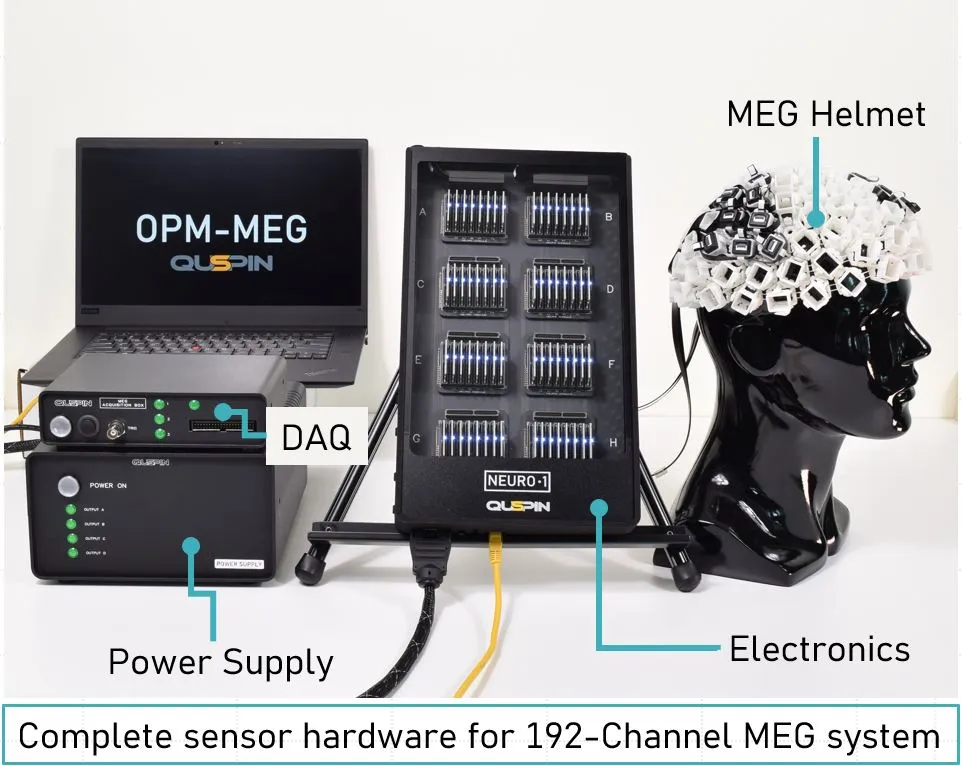
A new MEG module has been added, supporting a full set of analysis capabilities including MEG device data access, synchronized acquisition, data preprocessing, time-frequency analysis, event-related field (ERF) analysis, and brain source localization. There is no need to switch to third-party software; the complete workflow from raw data import to MEG signal analysis can be completed within the HRT platform.
Application Example:
In research scenarios such as brain cognition, neurofeedback, and clinical brain function assessment, it helps researchers analyze task-induced brain neural activity responses and supports brain science-related research projects.